
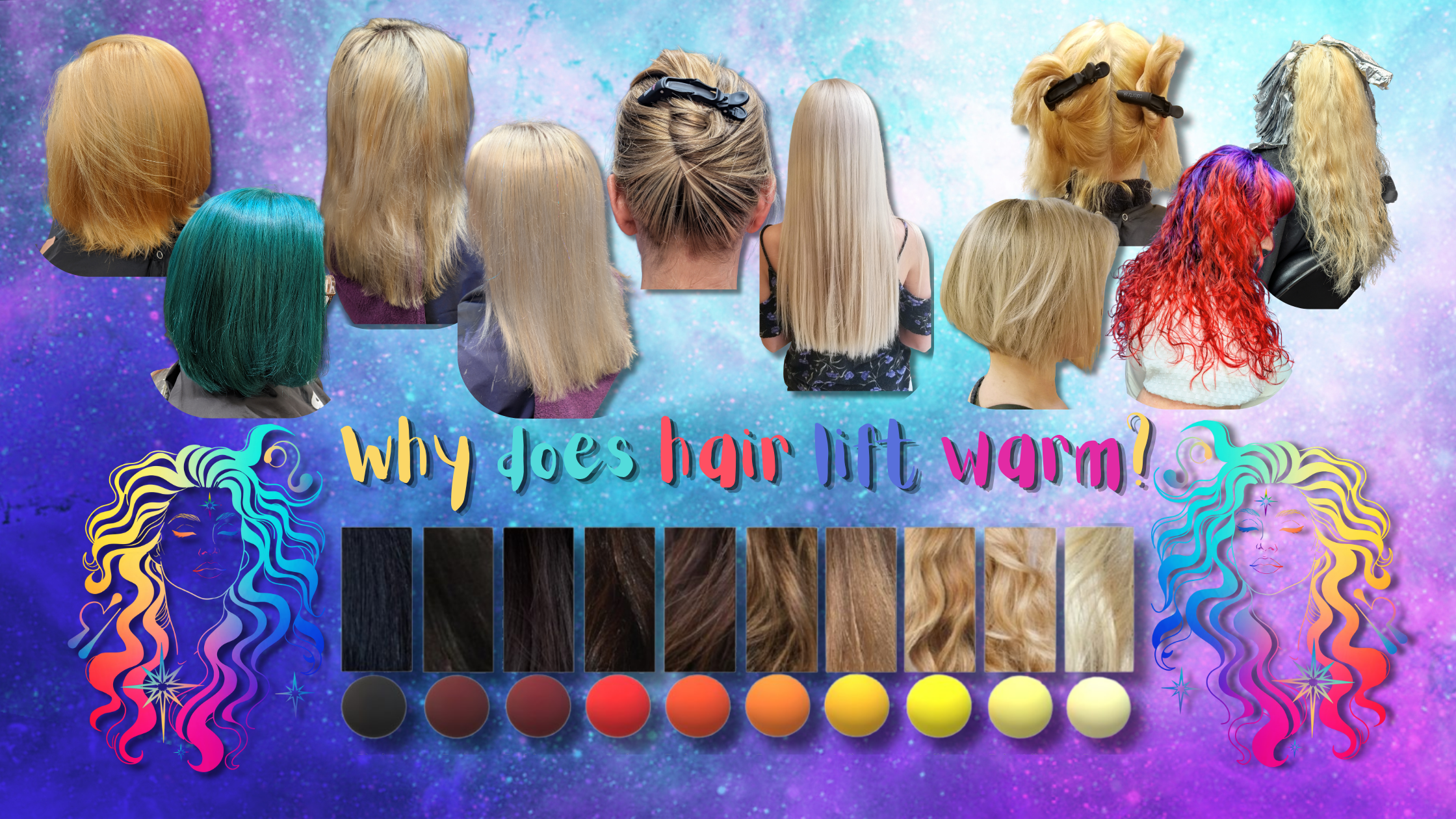
Everyone who has ever dreamed of an icy platinum, a creamy beige, or a cool mushroom brown has experienced that mid-service panic. You catch a glimpse of yourself in the salon mirror with foil or lightener on your head, and instead of cool blonde, you see bright copper, fiery orange, or raw canary yellow
Warmth during the lightening process is not a colorist mistake, and it is not a chemical accident. It is fundamental hair biology, and understanding how it works is the key to setting realistic expectations for your hair goals.
Natural hair color lives inside the cortex and is composed of two distinct types of pigment: eumelanin and pheomelanin. Eumelanin provides the cool, brown, and black tones. Its molecular structure breaks down relatively quickly when exposed to an oxidizing lightening agent like bleach. Pheomelanin, on the other hand, produces red, copper, and yellow undertones. These molecules are dense, chemically resilient, and far more stubborn to dissolve.
When lightener oxidizes the hair shaft, it clears away the dark eumelanin first. As those cool tones dissolve, the lightener pulls back the curtain on the underlying pheomelanin.
Every single level of hair possesses a predetermined warm undertone waiting beneath the surface. Dark black and brunette hair (levels one through four) sits on an underlying foundation of intense red and red-orange. Light brown to medium blonde hair (levels five through seven) lifts directly into vibrant copper, orange, and yellow-orange. True blonde bases (levels eight through ten) expose raw yellow before finally reaching pale butter yellow.
The darker your natural starting level, the more fiery color stages your hair must travel through. Achieving a clean, ash-toned result requires lifting past the deep reds and oranges until only the softest pale yellow remains. Because pushing through those stages takes time, maintaining the structural integrity of the hair often requires multiple strategic sessions spaced weeks apart.
While natural biology explains the predictable warmth every head of hair experiences, external elements often complicate the process, causing hair to pull extra brassy, lift unevenly, or stall entirely. Things like hard water, Box dyes, layers of synthetic color, and product build up can skew the results.
Shower water packed with high concentrations of calcium, magnesium, copper, and iron leaves an invisible, calcified film across the cuticle. When hair loaded with iron and copper meets bleach or UV light, those heavy metals oxidize, instantly amplifying brassy, rusty tones. Beyond discoloration, heavy mineral deposits create a physical barrier that prevents lightener from saturating the strand evenly, causing patchy, incomplete lift. A professional chelating detox prior to bleaching is often required to dissolve this mineral shell so the formula can interact directly with the hair’s natural pigment.
Artificial color is drastically different from natural melanin. Dark drugstore box colors and permanent dyes deposit dense, synthetic pigment molecules deep within the cortex. Layering these dyes over months or years creates stubborn, concentrated bands of artificial color that lightener struggles to dissolve. Box dyes also frequently contain metallic salts and direct dyes that react aggressively with professional lightener, locking in muddy orange undertones that refuse to budge with standard formulations. Metallic salt pigments can also have volatile reactions that cause excessive damage to the hair and can be a contraindication to lightning services.
Daily styling routines involving non-water-soluble silicones, heavy waxes, and thick botanical oils build up on the hair shaft over time. This waxy barrier repels moisture and chemical solutions. When lightener is applied over heavy product residue, it slips off the cuticle and dries out prematurely. Once lightener dries, the chemical reaction stops, locking the hair in an unresolved orange or yellow phase.
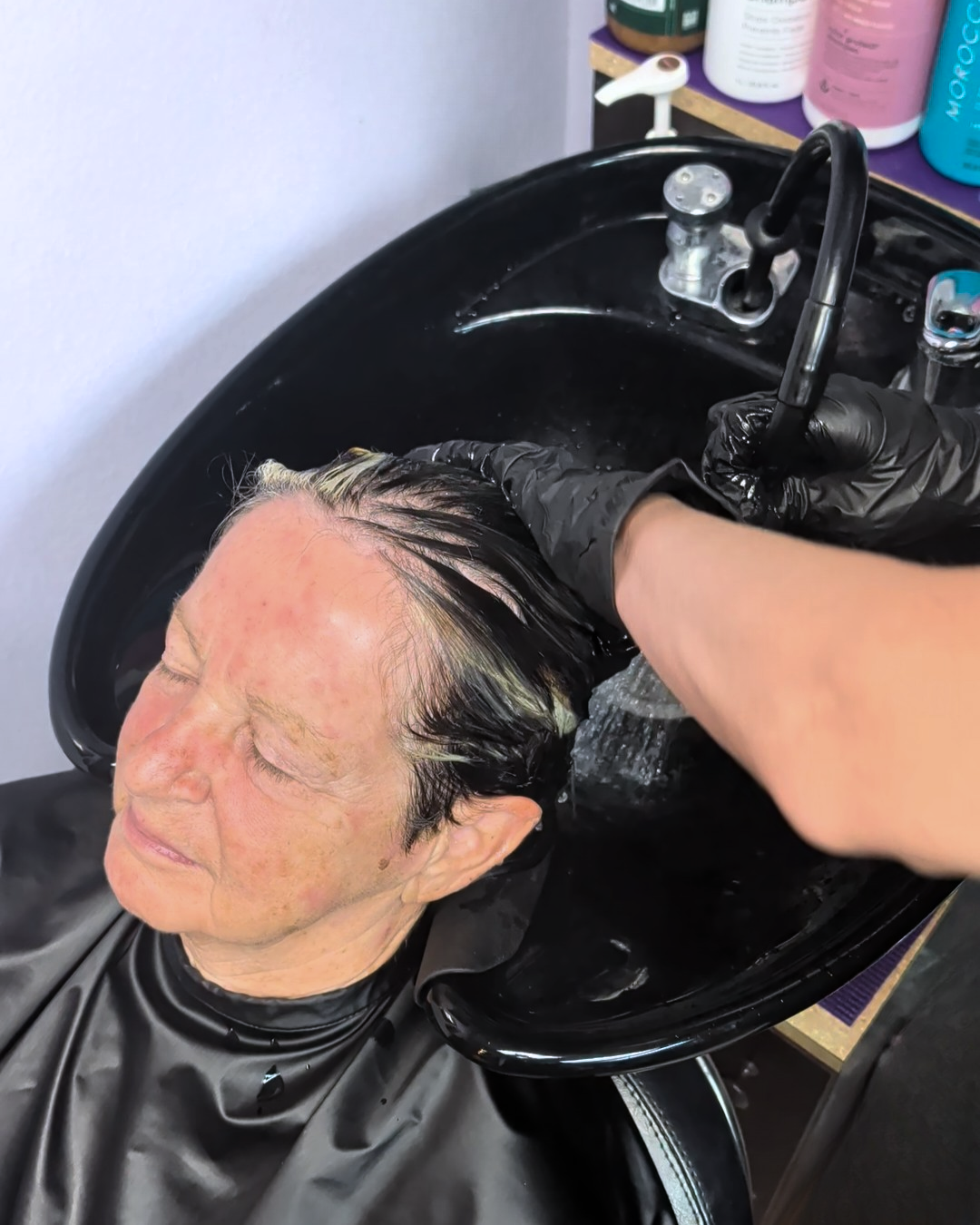
Toning hair is an exercise in pure color theory, but toners cannot perform miracles on an under-lifted canvas. A violet toner applied over bright orange hair will only produce a muddy, dull brown because violet neutralizes yellow, not orange. To achieve a clean, neutral, or cool result, the lightener must do the heavy lifting first, safely removing enough warm pheomelanin so that the toner can simply refine the final tone.
By detoxing mineral and silicone buildup before your appointment, sharing a complete chemical history with your stylist, and embracing the multi-step journey, you protect both the strength of your hair and the longevity of your color. True coolness is not about fighting warmth—it is about methodically lifting past it.